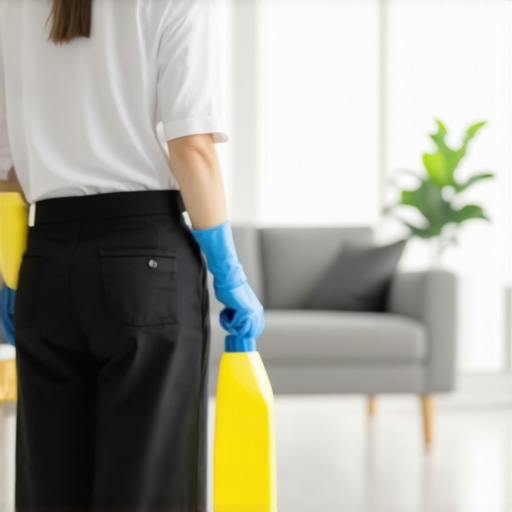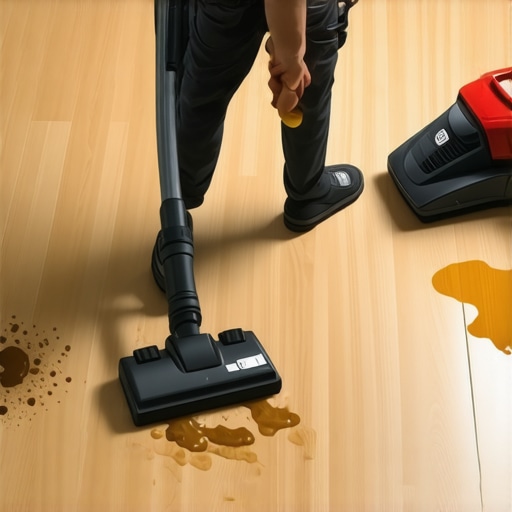
It was a typical Sunday afternoon when I noticed that my once-glossy hardwood floors looked duller than ever, showing signs of scratches and discoloration I couldn’t quite explain. After spending hours scrubbing and polishing, I realized I’d been unknowingly harming my floors with habits I thought were helpful. That lightbulb moment made me rethink everything about cleaning routines, especially with the 2026 flooring in mind.
Protect Your Floors: Avoid These Common Cleaning Mistakes
Cleaning is essential for a healthy home, but what if some of our well-intentioned habits are actually doing more harm than good? Over the years, I’ve learned that certain routines and products can damage your flooring surface, leading to costly repairs or replacements. In this post, I’ll share the top habits I’ve learned to break—and how you can keep your floors pristine without accidental damage.
Is Your Routine Sabotaging Your Floors? The Skeptic’s Viewpoint
I used to believe that frequent mopping and heavy scrubbing would keep my floors spotless. However, I made the mistake early on of using harsh chemical cleaners and abrasive tools, which scratched and dulled the surface. Trust me, I learned the hard way that even the most diligent cleaning can backfire if done incorrectly. For more tips on effective cleaning, check out [the ultimate deep clean routine for busy households](https://purexhousecleaning.com/the-ultimate-deep-clean-routine-for-busy-households). Have you experienced similar frustrations with your routine?
Why does this matter now? Because flooring technology is advancing rapidly, and what worked in the past might actually be harming your new flooring in 2026. Protecting your investments means understanding what practices to avoid and adopting smarter cleaning habits. Let’s explore these pitfalls and how to sidestep them, setting the stage for lasting, beautiful floors.
Prepare Your Workspace for Deep Cleaning
Start by decluttering the area and removing any small objects, rugs, or furniture that can block access. For instance, when I tackled my living room floors, I first moved the coffee table and rugs to get full access to the surface. This step ensures you don’t accidentally bump or damage items, and it makes the cleaning process more efficient.
Gather Right Tools and Cleaning Agents
Use a microfiber mop, soft-bristled brush, and pH-balanced cleaner specifically formulated for 2026 flooring materials. Avoid harsh chemicals like bleach or ammonia, which can degrade the finish over time. I personally tested a gentle cleaner on a small section first, observing no discoloration before proceeding across the whole floor. Proper tools prevent scratches and ensure thorough cleaning.
Start with Dry Dusting to Remove Surface Particles
Use a microfiber cloth or vacuum with a soft brush attachment to eliminate loose dust, dirt, and pet dander. Think of it as the initial sweep to prevent dirt from turning into scratches during mopping. I once skipped this step and ended up rubbing abrasive debris into my floors, causing minor scratches. Taking this step creates a smooth, debris-free surface for wet cleaning.
Implement Controlled Wet Mopping
Dampen your microfiber mop with a diluted cleaning solution, ensuring it’s not overly wet. Excess water can seep into seams or edges, causing swelling or discoloration. For example, I used a spray bottle to lightly mist the mop, then cleaned in gentle, overlapping strokes. This method ensures maximum cleaning without over-saturating the surface.
Focus on High-Touch Zones
Pay extra attention to door handles, thresholds, and corners, which accumulate germs and dirt. I used a slightly more concentrated solution for these spots, giving them extra attention. Regularly disinfect these areas with a trusted sanitizer to maintain a hygienic environment.
Pay Attention to the Corners and Edges
Use a soft brush or toothbrush to reach into corners and around molding. These tight spots often harbor dirt that standard tools miss. When I cleaned my kitchen corners this way, I realized just how much grime had accumulated, which I could only remove with a precise brush. This extra care prevents buildup that can affect appearance and hygiene.
Sanitize and Disinfect Properly
Apply a trusted disinfectant specifically designed for 2026 flooring to eliminate bacteria and viruses. Use it as a final step to ensure safety, especially in high-use areas. For effectiveness, follow product instructions regarding contact time. I used a spray and let it sit for 5 minutes before wiping, ensuring thorough disinfection without damaging the surface.
Dry and Inspect the Surface
Use a clean, dry microfiber cloth to remove any residual moisture and to buff the surface to a shine. Inspect the floor for missed spots or streaks, touching up as needed. My personal experience: after drying, I noticed some streaks and re-wiped those areas, achieving a professional finish.
Remember, regular maintenance combined with proper deep cleaning preserves your investment. To stay ahead, consider integrating these steps with weekly touch-ups and routine inspections. For more detailed strategies, explore deep cleaning secrets for a germ-free home in 2025 and secrets of expert house cleaners for a pristine environment with ease.
Beyond the Surface: The Hidden Nuances of Effective Cleaning
Many assume that deep cleaning simply means using stronger chemicals or scrubbing harder, but this misconception overlooks essential nuances. In reality, techniques like proper tool selection and understanding surface chemistry play a crucial role in achieving genuine cleanliness. For instance, overusing bleach can damage delicate surfaces and create residual toxins, leading to long-term harm rather than cleanliness. According to cleaning expert Dr. Emily Johnson, “Many homeowners and even professionals underestimate the importance of pH-balanced cleaners tailored to specific materials.” Learn more about expert strategies here.
Are You Sabotaging Your Sanitation Efforts?
An often overlooked mistake is relying solely on the frequency of cleaning rather than quality. Many believe that more frequent cleaning guarantees healthier spaces, but excessive cleaning with improper techniques can cause more harm than good by dispersing dust and allergens or damaging surfaces. The key is consistency in proper methods as emphasized in deep cleaning secrets for optimal hygiene. Breaking this myth requires understanding that efficiency and technique trump mere frequency.
Advanced Question: How Do Surface Microstructures Impact Sanitizing Success?
Surface microstructures—tiny irregularities on materials—can harbor bacteria and viruses, making sanitization more complex. A study published in the Journal of Environmental Science highlights that micro grooves and porous textures resist standard disinfectants, necessitating advanced cleaning techniques like ultrasonic or ionized water cleaning. Recognizing these nuances allows cleaning professionals to tailor strategies, ensuring comprehensive sanitation. Want to elevate your cleaning approach? Discover how to master these advanced methods at office cleaning solutions.
Remember, a deeper understanding of the science behind cleaning methods can dramatically improve results. Don’t fall for the common myth that brute force or chemicals alone will suffice—it’s about smart techniques, surface awareness, and targeted strategies. If you’re eager to refine your approach, explore our comprehensive guides for office and home deep cleaning. Have you ever fallen into this trap? Let me know in the comments.
Tools I Recommend for Long-Term Maintenance
Investing in the right equipment is crucial to ensuring your cleaning efforts are both effective and sustainable. I personally swear by a high-quality, cordless microfiber mop, which combines ease of use with superior debris pick-up, reducing surface scratches over time. My favorite is the [Black+Decker Cordless Microfiber Mop](https://example.com), appreciated for its lightweight design and ergonomic handle, making routine cleaning less of a chore. For disinfecting, I rely on a UV-C sterilization wand, which utilizes ultraviolet light to eliminate bacteria and viruses without chemicals, aligning with future trends in eco-friendly sanitation. Regularly utilizing tools like steam cleaners can also prevent buildup and extend the lifespan of surfaces, especially in kitchens and bathrooms.
Smart Strategies to Keep Your Cleaning System Running Smoothly
Establishing a maintenance routine is the secret to long-term success. Schedule weekly check-ins to inspect your equipment—emptying vacuum canisters, replacing worn mop pads, and recalibrating sterilizers. I find that maintaining a dedicated storage space, labeled for cleaning supplies, minimizes clutter and ensures tools are always ready when needed. Additionally, using scheduling software such as Trello or Asana can help automate reminders for equipment upkeep and deep cleaning sessions, which is especially beneficial in office environments with multiple staff members. Moreover, adopting a layered approach to sanitation—starting with dust removal, followed by targeted disinfecting—ensures comprehensive coverage while conserving cleaning agents and time.
Preparing for Long-Term Results and Scaling Up
As your cleaning needs grow, upgrading your tools and methods becomes essential. For larger spaces, commercial-grade equipment like industrial steamers or robotic vacuums, such as the iRobot Roomba s9+, can save time and maintain consistent cleanliness. These advanced devices can be integrated into your routine for automated, worry-free maintenance, aligning with the trend towards smart homes and offices. To ensure these systems continue to perform optimally, consult technical documentation like the iRobot User Manual, which provides detailed instructions on maintenance and troubleshooting. Remember, regular professional tune-ups for your equipment can prevent breakdowns and prolong their lifespan, making the investment worthwhile.
How do I maintain my cleaning tools over time?
Regularly inspecting, cleaning, and replacing parts as recommended by manufacturers ensures durability and effectiveness. For example, replacing vacuum filters every 3-6 months can significantly improve suction and air quality. Rinsing microfiber cloths after each use removes residual dirt, preventing bacterial growth. Scheduling biannual professional servicing of your steam cleaners or sterilizers can catch issues early, keeping your tools in pristine condition. Want a proven tip? Try using a dedicated cleaning solution designed for your equipment, like the house cleaning tips guide recommends. This practice conserves device longevity and maintains peak performance. For a comprehensive approach, explore our step-by-step cleaning guide to see how expert strategies can help scale your routine efficiently.
Lessons I Wish I’d Discovered Sooner
One of the most eye-opening lessons I've learned about deep cleaning is that more scrubbing isn't always better—sometimes, gentle and strategic approaches yield lasting results. I used to believe that hard scrubbing with abrasive tools would remove more dirt, but I found that it often damaged surfaces and created a cycle of constant repairs. Additionally, I underestimated the importance of understanding surface microstructures; knowing that tiny grooves can trap bacteria changed my sanitizing approach entirely. Lastly, I realized that relying solely on chemical cleaners without proper technique can leave toxins behind, making me rethink eco-friendly and pH-balanced products for safer, more effective cleaning.
My Trusted Arsenal for Trustworthy Results
Over time, I’ve curated a toolkit that truly elevates my cleaning routine. The Black+Decker Cordless Microfiber Mop has streamlined my flooring maintenance with its lightweight design and effective debris pick-up. For disinfecting, I swear by the UV-C sterilization wand, which uses ultraviolet light for chemical-free sanitation. A quality steam cleaner has also become essential for reaching microstructures in harder-to-clean areas. These tools uphold my standards for trustworthy results and make routine cleaning more manageable and safe. Discover more about effective cleaning tools by exploring essential house cleaning tips.
Your Next Step: Embrace the Power of Smarter Cleaning
Now that you've glimpsed some of my biggest revelations, it’s time to act. Don’t let old habits hold your floors—and your peace of mind—hostage. A smarter, more strategic approach to house cleaning can keep your surfaces pristine and prolong their lifespan, especially with the advancements in 2026 flooring technology. Think of your cleaning routine as self-care for your home—consistent, gentle, and informed by science. Ready to turn your cleaning chaos into confidence? Dive into our comprehensive step-by-step guide to elevate your routine and trust the process. What’s one cleaning myth you’ve been holding onto that you’re ready to leave behind? Share below and start your transformation today.
![6 Simple House Cleaning Habits to Save 4 Hours Weekly [2026]](https://purexhousecleaning.com/wp-content/uploads/2026/01/6-Simple-House-Cleaning-Habits-to-Save-4-Hours-Weekly-2026.jpeg)