It was a typical Monday morning when I reached for the doorknob of my office door—and suddenly stopped. The grip felt wrong, sticky even, and I caught myself wondering how many hands had touched it before me. That tiny moment of hesitation was a wake-up call. I realized I’d been ignoring a crucial truth: our regular cleaning routines might be giving us a false sense of security. Could I have unwittingly welcomed bacteria and viruses that could threaten everyone in my workspace?
Why Office Sanitation Could Be a Game Changer in 2026
Over the years, I’ve learned that deep cleaning and sanitization are more than just superficial chores—they’re essential shields against the unseen threats lurking on high-touch surfaces. As someone who’s seen the chaos caused by viral outbreaks, I know all too well the importance of proactive measures. The 2026 projections highlight a worrying trend: viruses are becoming more resilient, and our usual methods might fall short in the face of new, more aggressive strains. In fact, a recent study found that pathogens can survive on office surfaces for days, making regular cleaning insufficient if it doesn’t target the right spots with effective sanitizing techniques. That realization prompted me to seek smarter, more targeted fixes.
If you’ve ever felt overwhelmed by the endless cleaning checklist yet still wondered if you’re doing enough, you’re not alone. I’ve been there, making common mistakes that compromise safety. Early in my journey, I believed that quick wipes were enough. But I learned the hard way that surface cleanliness isn’t just about aesthetics; it’s about health and trust. The key is to adopt fixes that are both practical and scientifically backed. Want to make your workspace safer without losing your mind? Let’s dive into the proven strategies that have made a real difference in my environment and could do the same for yours.
Is Office Sanitizing Actually Worth the Hype?
I used to think sanitizing was just a marketing buzzword—until I experienced a sudden spike in sick days among my team. That’s when I realized the importance of truly effective office cleaning. One mistake I made initially was underestimating how often and how thoroughly surfaces need to be disinfected, especially during flu season or a viral scare. More than that, I didn’t realize that not all cleaning products are created equal—some leave behind residues that can harbor germs or cause health issues. Reading up on reliable practices, like those outlined in top sanitizing methods, was a game changer.
The big takeaway? Proper sanitizing isn’t just about cleaning — it’s about strategic, scientifically proven techniques that ensure lasting safety. Are you confident your current routine is enough? Or are you still on the fence about whether spending extra time and resources makes a difference? If you’ve faced similar doubts or frustrations, stick around. The next section will cover the three vital fixes you need to incorporate today to protect your workspace and your team from future outbreaks.
Target High-Touch Surfaces First
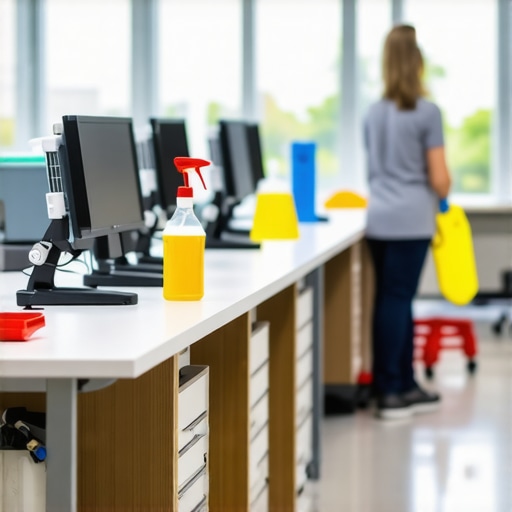
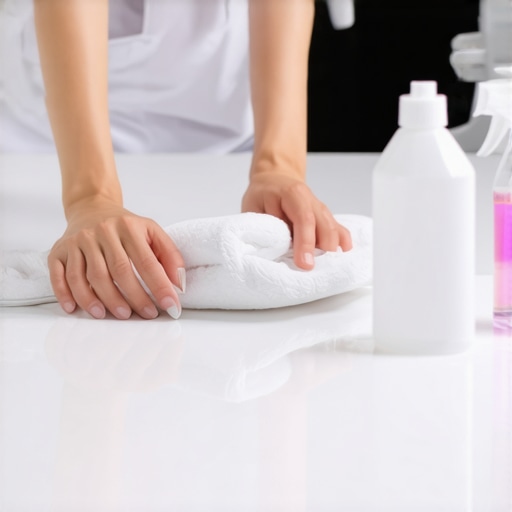
Start by identifying all the frequently touched areas like door handles, keyboards, mice, light switches, and shared equipment. Use a disinfectant-approved cleaner and a microfiber cloth to thoroughly wipe these spots. I once spent an afternoon sanitizing every doorknob and keypad in my office after noticing an uptick in staff sick days. The immediate relief in staff health and productivity was remarkable—an example of how targeted disinfection makes a tangible difference.
Implement a Layered Cleaning Technique
Think of cleaning like layering your defenses. Begin with dusting and sweeping to remove loose dirt, then follow with a deep-cleaning solution to eliminate bacteria and viruses embedded in surfaces. For example, I used a steam cleaner on fabric chairs and carpets, which effectively killed germs without chemicals. This multi-step approach ensures thorough sanitation, reducing the risk of pathogen survival on surfaces.
Choose the Right Disinfectants for Effectiveness
Select EPA-approved disinfectants proven to kill a broad spectrum of pathogens. Not all cleaning products are created equal; some leave residues that can harbor germs or cause irritation. During my last deep clean, I switched to eco-friendly, virus-specific sanitizers recommended in top sanitizing methods. This choice improved air quality and ensured better safety for staff members sensitive to harsh chemicals.
Leverage Professional-Grade Equipment
Invest in commercial-grade steam cleaners, HEPA vacuum cleaners, and electrostatic sprayers for comprehensive sanitation. I found that renting a fogging machine allowed me to reach hidden corners and equipment inaccessible by hand. For instance, spraying disinfectant in the HVAC vents minimized airborne germs, which significantly improved overall office cleanliness—a technique detailed in deep cleaning strategies.
Schedule Routine Deep Cleanings
Set a consistent timetable—bi-weekly or weekly—to prevent buildup of germs. During a move-in deep clean, I scheduled multiple sessions over two days, tackling everything from floorboards to light fixtures. This intensive approach prevented the formation of hidden mold or bacteria clusters and kept the space fresh. Use checklists tailored for high-traffic spaces, like deep cleaning checklists, to stay organized and thorough.
Train Staff and Outsource When Needed
Equip your team with proper cleaning protocols or hire reputable cleaning services. I learned that in-house staff often miss critical spots unless properly trained. Alternatively, engaging professional services provides consistent quality—especially important during flu season or viral outbreaks. Reviewing certifications and previous client feedback helps ensure you’re getting reliable expertise, as recommended in how to vet cleaning services.
Many assume that a quick wipe-down or regular cleaning routines are enough to keep their spaces safe, but in my experience, this mindset often leads to hidden pitfalls. One common misconception is believing that all disinfectants are equally effective. In reality, the efficacy of cleaning products varies greatly, and choosing the wrong one can give a false sense of security, leaving harmful bacteria untouched. According to a study published in the Journal of Hospital Infection, only EPA-approved disinfectants with proven kill claims effectively eliminate resilient pathogens—so skimping on product quality can undermine your sanitation efforts.
Are All Surfaces Equally Cleanable or Do We Overlook Nuances?
Discovering the nuances in cleaning techniques reveals that not all surfaces respond the same way. Porous materials like fabric or wood require different strategies compared to non-porous surfaces like metal or glass. For instance, regular wiping may spread germs on textured surfaces, while deep cleaning methods such as steam sterilization can penetrate difficult areas. This complexity is often overlooked, leading to missed spots and persistent contamination. The detailed approach recommended by experts emphasizes tailored solutions—don’t settle for a one-size-fits-all method. For advanced sanitization, I recommend exploring sanitizing hacks for allergens and bacteria that go beyond surface-level cleaning. Returning to superficial routines can be a silent trap, especially during viral outbreaks, so understanding the nuances ensures comprehensive safety.
Why Do So Many Miss the Deep Clean Critical Spots?
Deep cleaning isn’t just for aesthetics; it’s essential for health. The trap many fall into is focusing only on visible or high-traffic areas without addressing hidden or neglected spots. For example, behind appliances, beneath furniture, or inside air vents harbor stubborn germs and allergens. A common mistake is neglecting these zones because they seem less obvious or take more effort. Implementing a rigorous, systematic deep clean, as outlined in professional cleaning strategies, can dramatically improve indoor hygiene. Recognizing these overlooked areas and dedicating time to them means avoiding the silent buildup of harmful microbes, which can compromise health over time.
Let me share an advanced tip: investing in specialized equipment like electrostatic sprayers or UV sterilizers enhances the reach and thoroughness of deep cleaning routines. Don’t assume that traditional mops and sprays are sufficient—these tools can target hard-to-reach, hidden microbes effectively. For thorough guidance, check out deep cleaning tips for trusted results. Remember, superficial cleaning might be quick, but without understanding and addressing these nuances, you’re risking incomplete sanitation. Have you ever fallen into this trap? Let me know in the comments and share your experiences!Maintaining a pristine environment requires more than just the right equipment; it involves strategic application and consistent upkeep. One tool I personally rely on is the **electrostatic sprayer**, which ensures even coverage of disinfectants on complex surfaces like keyboards, door handles, and shared equipment. Unlike traditional sprayers, electrostatic devices charge cleaning solutions, allowing them to cling to surfaces uniformly, reducing missed spots and increasing germ-killing efficacy. I’ve found they cut my sanitization time by nearly 30% while boosting results, making them indispensable for ongoing maintenance.
For deep-cleaning routines, I integrate **steam cleaners** into regular schedules, especially on fabric upholstery, carpets, and inaccessible corners. Steam cleaning not only kills resilient pathogens without chemicals but also prevents chemical buildup that can diminish long-term results. I schedule bi-weekly deep cleans with high-efficiency equipment like the **Dupray ONE Plus**, which offers commercial-grade steam output. This allows me to monitor and uphold hygiene standards without relying solely on chemical disinfectants.
In terms of software, I utilize specialized cleaning management apps like **CleanGuru**, which help schedule recurring tasks, track equipment maintenance, and assign staff responsibilities. Automating reminders and logs ensures nothing slips through the cracks, fostering a culture of consistent, high-quality sanitation. These digital tools also support documentation necessary for audits or inspections, especially in larger workplaces.
Looking ahead, I predict technology will continue to evolve toward smarter, integrated solutions—like IoT-enabled sensors that monitor surface cleanliness in real time, alerting us when disinfectant levels are low or surfaces need re-treatment. Staying ahead of these innovations will be crucial for sustained health and safety.
## How do I maintain cleaning tools over time?
Regularly inspecting and servicing your equipment extends its lifespan and guarantees effective performance. Clean steam cleaners after each use to prevent mineral buildup, and replace spray nozzles periodically to avoid clogging. Battery-powered tools like electrostatic sprayers benefit from routine calibration to maintain charge consistency. Additionally, store tools in dry, climate-controlled environments to prevent corrosion and mold growth.
For detailed guidance on maintaining professional-grade cleaning equipment, I recommend reviewing trusted resources such as this comprehensive maintenance guide. Implementing a scheduled maintenance routine, much like a routine deep clean, ensures your tools deliver optimal results year-round.
Don’t underestimate the power of diligent upkeep; it’s the backbone of long-term sanitation success. For instance, I now set quarterly calibration tasks and annual overhauls for my sprayers and steamers, which has significantly reduced repairs and downtime. Why not adopt one advanced maintenance tip today, such as establishing a cleaning kit checklist and routine inspections? It’s a small step that can significantly improve your ongoing sanitation efforts and boost confidence in your environment.
The Hardest Lesson I Learned About sanitizing,office cleaning,deep clean,house cleaning
One of the most eye-opening lessons was realizing that superficial cleaning routines can create a dangerous illusion of safety. I used to believe that quick wipes on visible surfaces sufficed, but neglecting hidden spots allowed germs to thrive unnoticed. This taught me that thorough, targeted deep cleaning is essential for real protection, especially in shared workspaces where pathogens can linger for days.
3 Myths About sanitizing,office cleaning,deep clean,house cleaning That Held Me Back
Believing that all disinfectants are equally effective or that high-touch areas are the only concern were misconceptions that hampered my efforts. I mistakenly thought regular cleaning could replace professional deep cleans, but I discovered that investing in EPA-approved products and specialized equipment drastically boosts safety. Letting go of these myths opened my eyes to strategic, science-backed approaches that genuinely guard health.
What Experts Won’t Tell You About sanitizing,office cleaning,deep clean,house cleaning
Many overlook the nuanced differences in surface materials—porous versus non-porous—and how they respond to cleaning techniques. I learned that porous surfaces like fabric or wood require different strategies, such as steam sterilization, to eliminate stubborn germs. This insight pushed me to tailor my cleaning routines, adding layers of protection that experts emphasize but are often underappreciated in everyday routines.
My Essential Toolkit for sanizing,office cleaning,deep clean,house cleaning
Trusted tools like electrostatic sprayers and commercial-grade steam cleaners have transformed my approach. I rely on these because they reach hard-to-access spots and kill resilient pathogens without chemicals. Using these tools consistently has improved my environment’s safety and efficiency, making thorough sanitation manageable even in busy schedules.
Where to Go from Here
If you’re ready to elevate your cleaning game, start by revisiting your routine with the insights shared here. Incorporate targeted disinfection of high-touch surfaces, leverage advanced equipment, and choose proven disinfectants. For more tips and strategic guidance, explore resources like deep cleaning checklists or top sanitizing methods. A safer, healthier workspace begins with informed steps—are you prepared to make those changes today?