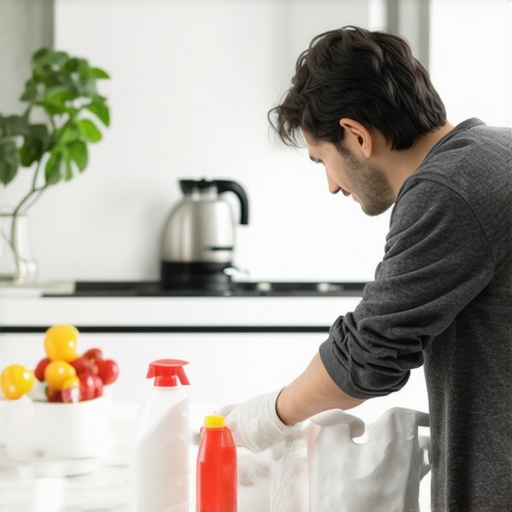
It was a Monday morning when I realized my mistake. I had just finished wiping down the kitchen countertops, confident I’d eliminated germs and kept my family safe. Yet, hours later, my child started sneezing and coughing. That lightbulb moment hit me hard—**could my cleaning routine actually be making things worse?**
The Hidden Dangers of Common Sanitizing Mistakes in Your Kitchen
Since then, I’ve dug deep into cleaning methods, realizing that many of us unknowingly fall into traps that compromise our health instead of protecting it. The kitchen, after all, is the heart of our home—the place where food is prepared, hands are washed, and germs can spread unseen. If we aren’t cautious, our well-meaning efforts might be doing more harm than good.
Today, I want to share what I’ve learned about the **three most common kitchen sanitizing mistakes** that could be hurting your loved ones in 2026. And more importantly, how to avoid them. Proper cleaning isn’t just about using the strongest disinfectants; it’s about strategic, informed choices that truly eliminate harmful bacteria and allergens.
Is Overusing Disinfectants Actually Wasting Your Efforts?
I used to believe that more disinfectant meant better protection. But I learned that over-sanitizing, especially with harsh chemicals, can create resistant bacteria and disrupt indoor air quality. The Environmental Protection Agency states that improper cleaning with certain disinfectants can lead to health issues and environmental damage.
If you’ve faced the frustration of cleaning repeatedly without a noticeable improvement, you’re not alone. I once scrubbed my kitchen surface daily, only to discover that bacteria lingered in grout lines and under appliances. That mistake taught me to focus on the right tools and techniques, which I now share through trusted resources like deep cleaning secrets for a germ-free home in 2025.
With this in mind, let’s explore how to transform your sanitizing habits into a powerful defense for your family’s health. Are you ready to learn more about effective, safe kitchen cleaning strategies? Stay tuned—we’ll cover simple yet impactful tips to clean smarter, not harsher, and keep your home truly safe.
Start with Clear Surfaces and Tools
Before diving into cleaning, remove clutter and identify your cleaning tools. I once grabbed a rag and generic spray, but after realizing the importance of the right products, I switched to a microfiber cloth and an EPA-approved disinfectant. This simple step guarantees you won’t waste time wiping over dirt and germs, ensuring maximum efficiency. For best results, consider following a deep cleaning routine that targets every corner.
Prioritize High-Touch Areas
Focus on the spots germs love most
High-touch surfaces like cabinet handles, fridge door handles, and light switches are hotspots for bacteria. I remember during my last deep clean, I spent extra time on the fridge handle, which was overlooked during routine cleaning. Using a disinfectant spray and a microfiber cloth, I made sure to sanitize these areas thoroughly. Think of it like watering your plants—you need to get to the roots for healthy growth. Using a two-step process—clean, then disinfect—fights the spread effectively.
Deep Clean Grout and Hidden Spots
Grout lines, under appliances, and behind the stove hide stubborn dirt and bacteria. During one weekend, I dedicated time to scrub grout with a baking soda paste and a brush, similar to scrubbing a stubborn stain on your favorite shirt. This process breaks down buildup and prevents mold. Remember, neglecting these spots can undermine your entire sanitizing effort. For detailed techniques, refer to deep cleaning secrets for guidance.
Use Correct Disinfectant Application Techniques
Applying disinfectant properly is crucial. I learned early on to let the spray sit for the recommended contact time—usually 5 minutes—before wiping. This pause allows the disinfectant to kill germs effectively. Think of it as letting your coffee steep; rushing ruins the flavor. Using a spray bottle that atomizes the disinfectant evenly ensures coverage without waste. Avoid overusing harsh chemicals; instead, opt for EPA-registered products suitable for kitchen surfaces.
Maintain Regular, Not Overzealous, Cleaning
In my experience, a balanced schedule works best. I now clean high-touch areas daily with a quick disinfectant wipe, reserving deep cleans for once a week. Over-sanitizing can lead to resistant bacteria and indoor air pollution. Use a proper cleaning schedule to keep germs at bay without overdoing it. Keeping your routine consistent prevents buildup and fosters a healthier environment.
Select the Right Products
Not all cleaning agents are created equal. During my last project, I switched from generic chemical cleaners to eco-friendly, EPA-approved disinfectants, which are effective yet gentle. This choice improved indoor air quality and protected my family’s health. Remember to check labels; effective disinfectants contain active ingredients like quaternary ammonium compounds or sodium hypochlorite. For detailed insights, see top sanitizing methods.
Even seasoned cleaning enthusiasts often fall prey to misconceptions about sanitizing, deep cleaning, or managing office and house environments. One widespread myth is that using the strongest disinfectants automatically guarantees a germ-free space. However, research from the Environmental Protection Agency shows that improper or excessive disinfectant use can lead to resistant bacteria and indoor air pollution, highlighting that quality and correct application matter more than sheer strength. Many assume that a quick wipe or superficial cleaning suffices, but surprisingly, neglecting hidden spots like grout lines or behind appliances leaves bacteria lurking, which can compromise health over time.
Why does scrubbing visible dirt sometimes be counterproductive?
In advanced cleaning, superficial dirt might get pushed around without proper removal if cleaners focus solely on visible grime. This can foster microbial resistance or mold growth, especially in moist areas. Experts recommend targeted deep cleaning strategies, such as detailed grout scrubbing or professional services, to eliminate pathogens effectively. A study published in the Journal of Applied Microbiology emphasizes that thoroughness during cleaning directly correlates with reduced infection rates, making meticulous attention essential. So, the focus shouldn’t just be on appearance but on actual microbial eradication.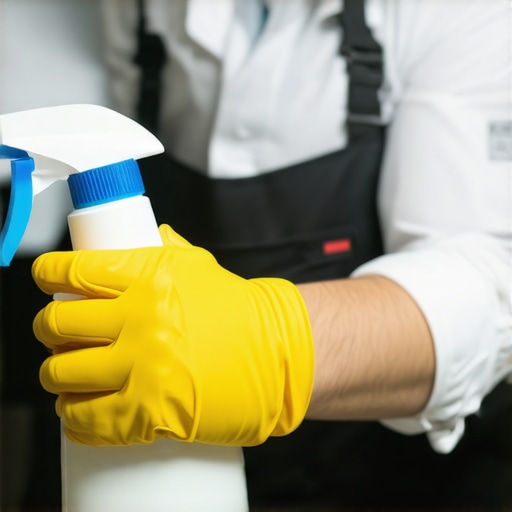
Many users overlook the significance of proper contact time when applying disinfectants. Rushing the process or wiping too quickly can reduce effectiveness, according to health standards. It’s a common mistake to spray disinfectant and wipe immediately; allowing the chemical to sit can increase germ-killing efficacy. This nuance often trips up even experienced cleaners who underestimate the importance of protocol adherence. For comprehensive techniques tailored to your space, consider consulting authoritative guides like deep cleaning secrets for a germ-free home.
Furthermore, the myth that all cleaning products are equally effective persists. Choosing the right product involves understanding active ingredients—quaternary ammonium compounds or sodium hypochlorite—and their proper usage contexts, especially for office environments. Studies indicate that mismatched products not only waste resources but can also pose health risks and fail to eliminate resilient microbes. To make smarter choices, visit trusted resources or professional services like expert cleaning assistance.
Stay vigilant about these hidden subtleties. Mastery in cleaning isn’t just about routine but understanding the intricacies of effective sanitation. If you’ve ever been caught off guard by overlooked spots or misapplied disinfectants, share your experience—everyone learns from common pitfalls. Remember, proper cleaning techniques and informed product choices are the backbone of a truly safe and healthy environment.
Keeping It Working: Tools I Recommend for Consistent Cleaning
Maintaining a spotless home or office requires not just good habits but also the right tools. Over the years, I’ve refined my cleaning arsenal to include equipment and software that deliver reliable, efficient, and long-lasting results. Investing in quality tools ensures your routine remains effective over time and reduces the need for costly professional interventions. I’ll share my personal favorites and explain why they stand out in maintaining cleanliness and sanitation.
The Power of a Quality Microfiber Mop
Unlike traditional mops, a high-grade microfiber mop traps dirt, bacteria, and allergens more effectively without relying heavily on chemical cleaners. I personally prefer the O-Cedar EasyWring Spin Mop because of its durable materials and ergonomic design, making deep cleaning less tedious. Microfiber’s superior absorbency means you can confidently tackle spills and stubborn buildup, which is essential for deep cleaning routines recommended in deep cleaning.
Utilizing EPA-Approved Disinfectant Sprayers
Consistent sanitation demands precise application. I’ve transitioned to using the Clorox Total 360® Electrostatic Spray System because it allows me to cover larger areas quickly and with uniform coverage, ensuring every high-touch surface receives adequate contact time for maximum effectiveness. Proper application is crucial, as noted in the CDC’s guidelines—simply spraying isn’t enough; disinfectants need time to work effectively, as discussed in trusted sanitizing techniques.
Smart Scheduling with Cleaning Software
While tools are vital, keeping to a routine is equally important. I rely on the Tody App, which helps schedule and remind me of tasks based on frequency and priority. This technology minimizes the risk of neglecting hidden or less obvious areas like grout lines or behind appliances, reinforcing strategies from office cleaning tips. Digital reminders make it easier to maintain consistency, a key factor in long-term sanitation.
The Future of Cleaning Technologies
Advancements are heading toward smarter, more sustainable equipment—think UV-C light sterilizers integrated into cleaning robots and AI-powered scheduling systems. These innovations promise to further simplify and enhance the efficacy of sanitation routines, making it easier for busy households and offices to stay protected without constant oversight. Keeping an eye on emerging tech can help you stay ahead in maintaining a safe environment.
How do I maintain my cleaning tools over time?
Regularly cleaning and replacing your tools is vital for ongoing effectiveness. Microfiber cloths should be washed after every use and replaced periodically to prevent microbial buildup. Disinfectant sprayers require thorough maintenance—consult manufacturer guidelines to keep them functioning optimally. Software apps benefit from updates to ensure compatibility and feature enhancements. An investment in care for your tools translates directly into sustained cleaning quality and better health outcomes. For ongoing support or to explore tailored cleaning solutions, don’t hesitate to reach out. Remember, the key to long-term success lies not only in initial investments but also in consistent maintenance of your tools and routines. Try adopting a dedicated microfiber mop combined with scheduled deep cleaning using EPA-approved disinfectants, and watch your environment stay healthier for years to come.
Over the years, I’ve discovered that true mastery of kitchen cleaning goes beyond surface scrubbing and chemical heavy-handedness. The real insights often come from realizing what doesn’t work and adjusting your approach accordingly. For example, I used to believe that disinfecting after every meal was essential, but I found that spreading out deep cleaning sessions with targeted touch-ups yields better health results and less chemical exposure. This shift in mindset has transformed my routine from a chore into a confident, effective process.
Unexpected Lessons That Changed My Perspective on Sanitizing
- Not all germs are created equal: Understanding which bacteria are harmful and focusing efforts on those saves time and reduces unnecessary chemical use.
- The power of proper contact time: It’s tempting to spray and wipe immediately, but letting disinfectants sit for recommended durations truly enhances germ-killing efficacy.
- High-touch areas demand attention, but so do hidden spots: Recognizing grout lines, behind appliances, and under fixtures as microbial hotspots has been eye-opening.
- Over-sanitizing can backfire: Excessive use of harsh chemicals can cause resistant bacteria and compromise indoor air quality, making strategic cleaning more effective than constant scrubbing.
- Tools and habits matter as much as products: Investing in quality microfiber cloths, EPA-approved disinfectant sprayers, and scheduling routines improves long-term results and peace of mind.
My Go-To Tools for Keeping My Kitchen Safe
- O-Cedar EasyWring Spin Mop: Its microfiber technology and ergonomic design make deep cleaning quick and thorough without harsh chemicals.
- Clorox Total 360® Electrostatic Spray System: Ensures even coverage and proper contact time, especially on high-touch surfaces.
- Tody App: Keeps me accountable with reminders for regular touch-ups and deep cleans, maintaining a consistently sanitized environment.
- UV-C Sterilizers: Emerging technologies like UV sterilization are becoming valuable for keeping spaces germ-free without chemical reliance.
Embrace the Journey to a Healthier Home
The path to effective sanitizing is ongoing, filled with small adjustments that compound into significant benefits. Remember, every improvement you make nurtures your family’s health and builds confidence in your cleaning routine. Don’t hesitate to experiment with new tools, schedules, and techniques—staying curious and adaptable is key to mastering this craft. If you’re ready to elevate your cleaning game, consider exploring resources like deep cleaning secrets for a germ-free home in 2025 or reach out for personalized advice at our contact page. Your proactive approach today ensures a healthier, safer living space tomorrow.