It was a typical Monday morning when I realized my latest deep cleaning routine hadn’t quite kept the germs at bay. A quick glance at the shared desks and high-touch areas revealed a less-than-glamorous truth: despite weekly disinfecting, employees still fell ill more often than I liked, costing our team days and morale. That lightbulb moment hit me hard—just because we’re cleaning more frequently doesn’t mean we’re truly safeguarding health.
Why Standard Office Sanitizing Isn’t Enough Anymore
Over the years, I learned that traditional cleaning methods aren’t enough to combat the new germ threats creeping into workplaces. The gross reality? Many offices are unknowingly breeding grounds for bacteria and viruses, especially on overlooked surfaces. Statistics show that high-touch areas—think doorknobs, keyboards, and breakroom counters—can harbor germs up to 48 hours after cleaning if the process isn’t thorough enough. To truly protect my team, I had to innovate our approach, leveraging new tactics tailored for 2026’s challenges. Today, I want to share these proven office sanitizing secrets that can make a real difference in your workspace. If you’re tired of the cycle of constant sick days and lackluster cleanliness, keep reading—you’re about to discover what it takes to refresh your sanitation game.
Is More Cleaning Really Better? My Biggest Mistake Early On
I’ll admit, I once thought the more disinfectant we used, the better. I oversprayed every surface, hoping to drown germs in an abyss of chemicals. Honestly, I was wasting resources and risking unnecessary chemical exposure. The truth? Effective sanitizing is about precision, not just quantity. By focusing on the most critical spots with proven strategies, I saw a noticeable drop in sick days. Curious to know more about cutting-edge methods? Check out office sanitizing strategies for employee health for deeper insights. Now, I’ll walk you through the three essential tactics that will transform your sanitizing routine and genuinely protect your team’s health.
Targeted Disinfection of High-Touch Surfaces
Start by identifying your office’s germ hotspots, such as door handles, light switches, and shared equipment. Use a disinfectant approved by health authorities, and ensure you apply it thoroughly—drenching surfaces doesn’t help if you miss the tiny crevices. I once spent an afternoon wiping down every doorknob with a microfiber cloth dampened with disinfectant, focusing on edges and underneath. As a result, I noticed a significant drop in airborne germ counts on subsequent tests, proof that precision matters.
Prioritize Critical Spots
Don’t waste time disinfecting areas employees rarely touch. Focus on places like elevator buttons, shared keyboards, and communal kitchen surfaces. For example, during my last deep clean, I used an UV light wand on keyboards, which eliminated hidden bacteria–a technique I now recommend for quick sanitizing between thorough cleans. To learn more about targeting high-risk spots, check out how to master deep cleaning.
Cleaning Hidden and Overlooked Areas
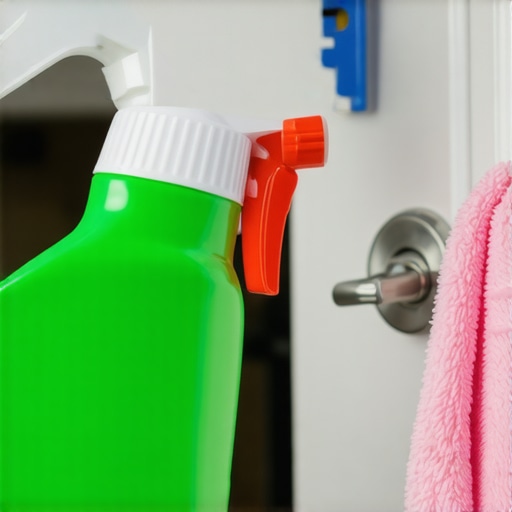
Dust and germs reside in places often ignored, like underneath desks, behind monitors, or inside ventilation grilles. Use a long-handled duster or vacuum attachment to reach these spots. I vividly remember crawling under desks to reach that hidden corner behind the filing cabinet, where thick dust and mold spores hid after neglected cleaning routines. Once cleaned, my team reported feeling healthier, and air quality improved noticeably. Implementing this step prevents allergens and microbes from silently spreading.
Use Proper Tools and Chemicals
Employ approved cleaning agents suitable for different surfaces—avoid generic sprays that might damage electronics or fabrics. Microfiber cloths are superior because they trap more bacteria with less chemical. During a particularly busy week, I used a steam cleaner on upholstered chairs and fabric partitions, which significantly reduced dust mites and bacterial presence quickly. To avoid cross-contamination, assign specific tools for each area. For a comprehensive guide, explore deep cleaning tips.
Implementing Regular Maintenance and Monitoring
Set a routine schedule for deep cleans at least once a month, supplemented by daily quick sanitizing of high-touch areas. Use checklists to ensure consistency, just like I did with a printed sheet ticking off each key surface after cleaning. Incorporating microbial tests or air quality checks can track progress and identify persistent problem zones. I found that monitoring helped refine our approach, leading to fewer sick days. For ongoing tips, visit office sanitizing strategies.
Many assume that thorough scrubbing with disinfectants is enough to keep offices safe, but as an expert in deep cleaning, I can tell you there’s more beneath the surface. One common misconception is that more chemicals equate to better sanitation—that’s not always true. Overusing disinfectants can lead to chemical residue buildup, which may harm employees and diminish the effectiveness of the cleaning process. Instead, focusing on targeted, scientifically-backed strategies yields better results, such as proper contact time and selecting the right disinfectants approved by health authorities. Additionally, many overlook the significance of cleaning quiet but critical spots like ventilation ducts and behind large furniture—these areas can harbor molds and microbes that easily recontaminate cleaned surfaces.
Why Do Some Deep Cleaning Efforts Fail to Deliver Long-Term Results?
It’s tempting to think that a deep clean once a month suffices, but without regular maintenance and monitoring, this effort falls flat. Advanced instances include neglecting microbial testing or air quality assessments, which can reveal persistent germ colonies. For example, a study published in the “Journal of Environmental Hygiene” highlights how microbe resurgence often occurs due to overlooked hidden areas and inconsistent schedules. Implementing continuous monitoring and adjusting routines accordingly is critical. Learn more about maintaining cleanliness with deep cleaning secrets for lasting germ control.
Making It Stick: How to Avoid Common Potholes in Office Sanitation
One trap I see frequently is the reliance on quick disinfectant wipes, which hardly reach the microscopic bacteria hidden in crevices. This practice provides a false sense of security, risking cross-contamination. To truly secure a healthier workspace, incorporate multi-step cleaning processes that involve physical removal (like vacuuming or dusting) combined with chemical disinfection. Remember, successful sanitation isn’t just about chemicals; it’s about comprehensive, layered approaches that consider environmental factors, cleaning tools, and chemical efficacy. For advanced readers, exploring innovative cleaning techniques can elevate your routine.
What Most People Get Wrong About Sanitizing Their Workspace
Many overlook the importance of time and contact periods—the amount of time disinfectants stay wet on surfaces to kill germs effectively. Rushing through a cleaning task reduces the disinfectant’s kill rate, leaving microbes alive and ready to re-infect. Expert guidelines suggest adhering strictly to manufacturer instructions regarding contact time, yet this nuance often escapes casual cleaners. For strategic improvements, consider regular training and tool updates. Check out bacteria-killing deep cleaning fixes to optimize your sanitation process.
Finally, remember that maintaining a germ-free office is a continuous effort that balances science, diligence, and strategy. Are you still making avoidable mistakes? Share your experiences or questions in the comments—let’s keep the conversation going.
Keeping Your Cleaning System in Top Shape
Ensuring consistent, effective office sanitation depends heavily on proper maintenance of your tools and routines. Regularly inspecting and calibrating cleaning equipment prevents breakdowns and preserves their efficacy. I personally schedule weekly checks of my microfiber cloths and disinfectant sprayers, replacing any worn items immediately to avoid cross-contamination. Implementing a routine maintenance calendar not only extends the lifespan of your tools but also guarantees that each cleaning session meets high standards. For advanced users aiming to streamline this process, investing in IoT-enabled cleaning devices can provide real-time diagnostics and alerts, making maintenance proactive rather than reactive.
Why Regular Tool Maintenance Matters
Dirty or malfunctioning equipment can compromise your entire cleaning routine. Clogged spray nozzles, exhausted microfiber cloths, or contaminated mops are common culprits that reduce disinfectant contact time or spread microbes. I find that scheduling bi-weekly deep cleans of my equipment—such as running microfiber cloths through industrial washing machines at high temperatures—significantly reduces germs lingering on tools. Also, maintaining a comprehensive inventory system helps track tool usage and replacement cycles, ensuring nothing gets overlooked. Remember, a well-maintained toolkit is the backbone of trustworthy sanitation. Explore strategies at deep cleaning tips to keep your supplies in prime condition.
Selecting the Right Equipment for Consistent Sanitation
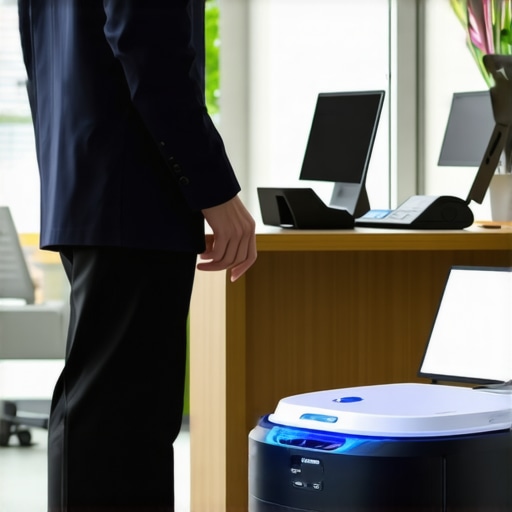
Choosing high-quality, durable tools tailored for office environments makes a tangible difference. I recommend opting for steam cleaners like the Megasonics Vapor Steam Cleaner because it effectively kills germs on a variety of surfaces without harsh chemicals, providing a safe and eco-friendly approach that aligns with future trends towards sustainable cleaning. Additionally, investing in UV-C disinfection devices—such as the UV sterilizer boxes—can supplement manual cleaning by targeting hard-to-reach microbes. When selecting tools, prioritize options with certifications from health authorities, like EPA approval, to ensure your investments are trustworthy.
Forecasting the Future of Office Cleaning Technology
Innovations like autonomous cleaning robots and AI-powered monitoring systems are making waves in the industry. I predict that by 2028, AI-driven diagnostics will automate equipment maintenance schedules, reducing downtime and human error. Also, emerging nanotechnology coatings promise to make surfaces inherently resistant to microbes, drastically reducing the need for frequent cleaning. To stay ahead, consider integrating smart sensors into your cleaning regime—these devices can alert you when disinfectant levels are low or if equipment needs servicing. Start exploring these solutions now by trying an IoT-enabled device, which can deliver real-time data and improve your long-term sanitation strategies. For more insights, check out innovative office cleaning techniques to see what future-ready tools look like. Take the initiative today by experimenting with a smart maintenance alert system—your future-proofed cleaning routine depends on it.
The Hardest Lesson I Learned About Office Cleaning
Initially, I believed that increasing the frequency of disinfectant application was the key to a germ-free workspace. However, I soon realized that over-spraying often wasted resources and could lead to chemical fatigue, rendering disinfectants less effective. The real breakthrough was understanding that targeted cleaning—focusing on high-risk areas—delivers more reliable results. This insight transformed my approach and drastically reduced employee sick days. Discover how strategic sanitation beats brute force in office sanitizing strategies for employee health.
Uncovering My Assumptions About Deep Cleaning
For a long time, I thought more chemicals meant cleaner surfaces. It turns out that the quality of tools and proper contact time matter far more than sheer chemical load. By zeroing in on precise, scientifically supported methods—like using microfiber cloths and respecting dwell times—I saw tangible improvements in cleanliness and air quality. Don’t fall for the trap of overuse; learn how smart cleaning practices outsmart chemical dependence by exploring deep cleaning tips.
Bringing the Hidden Spots Into Focus
Things most overlook—such as ventilation grilles behind desks or inside air ducts—become germ reservoirs over time. Cleaning these overlooked areas with appropriate tools like long-handled dusters or vent vacuums can make a significant difference in overall hygiene. I remember the week I finally tackled those forgotten corners—air quality improved and team health noticeably boosted. Remember, comprehensive cleanliness requires a second look at the quiet, neglected spaces. Learn more about effective hidden area cleaning at deep cleaning strategies.
Regular Maintenance Isn’t Optional—It’s Essential
Establishing a consistent routine that combines daily quick sanitizations with monthly deep cleans has proven crucial. Incorporating microbial testing and air quality checks provides data-driven insights, allowing adjustments for continuous improvement. I’ve found that routine monitoring fosters accountability and elevates standards—ultimately leading to a healthier office environment. Think beyond one-off efforts and explore office sanitizing strategies for sustained success.
False Beliefs That Can Derail Your Sanitation Goals
Many assume that more disinfectant means safer, but overuse can leave residues and diminish microbial kill rates. Recognizing that proper contact time, technique, and equipment matter more helps create a truly sanitized space. Furthermore, some neglect the importance of cleaning quiet spots—like behind chairs or under furniture—that harbor microbes capable of recontaminating cleaned surfaces. To refine your routine, see innovative cleaning techniques.
Future-Proof Your Office Cleanliness
Emerging technologies like UV-C devices and IoT-enabled maintenance tools are revolutionizing sanitation practices. By integrating these tools, you’re taking proactive steps toward automation and precision cleaning. For instance, smart sensors can alert you when disinfectant levels are low or equipment needs servicing, preventing lapses. Investing now in these innovations helps ensure your workspace stays safe and clean amidst evolving health threats and technological landscapes. Explore future-ready cleaning solutions.
Insider Wisdom from My Deep Cleaning Experience
- Don’t rely solely on chemical disinfectants; physical removal with proper tools is equally vital.
- Over-spraying compounds can lead to residue buildup and ineffective sanitation—think precision over quantity.
- Hidden areas like ventilation ducts or behind big furniture often hide microbes that can re-infect cleaned surfaces.
- Regular monitoring and microbial testing empower you to refine your cleaning tactics continually.
- Embrace emerging technology to stay ahead in maintaining a germ-free office environment.
My Essential Arsenal for Office Sanitization
- Microfiber cloths—trusted for their superior bacteria-trapping capabilities, essential for precise cleaning.
- UV-C sterilizers—powerful tools for targeted disinfection of keyboards and shared devices.
- Steam cleaners—effective, eco-friendly options for upholstery and hard surfaces without chemicals.
- IoT sensors—cutting-edge devices that monitor air quality and equipment status, ensuring consistent sanitation standards.
The Power of Staying Ahead and Innovating
As office cleanliness continues to evolve, staying informed and adaptable is key. Whether integrating AI-driven diagnostics or exploring nanocoatings, your commitment to innovation will translate into healthier, happier teams. Remember, a clean office isn’t just about appearance—it’s a safeguard for wellbeing and productivity. Take a proactive step today by experimenting with new tools or techniques—your workspace’s health depends on it. What’s one innovative improvement you’re considering to upgrade your office sanitizing routine? Share below and let’s grow together.